

Have you ever walked into a room where everyone knew your title, but very few knew the woman carrying it?
They knew you were the founder, CEO, executive, speaker, coach, consultant, manager, director, president or business owner. They knew what you did and what you had accomplished. They knew the polished version of your professional story.
They probably didn’t know how much you were juggling outside of that introduction. There are the deadlines, payroll, client expectations and leadership decisions. There are family responsibilities, relationships and the emotional labor that often comes with being the person everyone else relies on. There is also the pressure to keep everything moving, even when you’re tired.
For many women in business, the title becomes both a door and a disguise. It creates credibility and opens opportunities. But it can also become a place to hide.
We hide behind productivity. We hide behind leadership. We hide behind full calendars, booked stages, growing companies, impressive bios and professional responsibilities. We keep saying yes because we are capable of handling it. Eventually, being capable can start to feel like an obligation.
This isn’t limited to women in the C-suite. It can happen to an entrepreneur building from the ground up, a consultant carrying the weight of her clients, a ministry leader who is constantly serving others or a woman simply trying to build something meaningful alongside everything else in her life.
The question is what happens when the role starts asking for more than you have to give.
Your title is a role, not an identity
It’s easy to blur the line between who you are and what you do, particularly when other people constantly reinforce the connection.
You’re the person everyone calls. You’re the one who can handle it. You’re the dependable leader, the problem-solver, the person who always says yes.
But your title describes your responsibilities. It does not define your humanity.
You can be a CEO and still need rest. You can be a founder and still need support. You can be a leader and still be figuring things out. You can be successful and still decide that something no longer works for you.
Before you take on another opportunity, role, collaboration or expectation, ask yourself: Am I saying yes because this aligns with where I’m going, or because I’m afraid of disappointing someone?
Take stock of what you’ve outgrown
Business growth is usually measured in numbers: revenue, clients, followers, contracts, visibility and expansion. Those measurements have their place. But growth can also mean recognizing when something needs to go.
Maybe the client you once hoped to land no longer fits the business you are building. Maybe a leadership role that once felt fulfilling has become a drain on your time. Maybe an offer you created years ago no longer reflects your expertise. Maybe you fought hard to get into a particular room, only to realize it isn’t where you want to spend your time anymore.
That doesn’t mean those things were mistakes. It means your business changed. You changed.
It’s worth doing an alignment audit from time to time. Look at your calendar, offers, clients, partnerships, board seats, volunteer commitments, speaking opportunities and day-to-day responsibilities.
Then ask:
- What would I stop doing if I weren’t worried about how others would react?
- What still aligns with my goals and values?
- What is profitable but consistently draining me?
- What takes up a lot of time without giving much back?
- What am I still carrying simply because people expect me to?
Make boundaries part of the business
Boundaries are often treated as a personal issue, but they are also a business issue. Your business needs access to your time, energy, creativity and decision-making ability. If all of those resources are constantly available to everyone else, eventually there won’t be much left for the work itself.
That might mean setting office hours or establishing clearer response times. It might mean creating client communication policies, raising your fees, delegating work or stepping away from unpaid responsibilities that no longer make sense.
Sometimes it simply means saying no without writing a dissertation to explain why.
The important thing is to build boundaries into the way your business operates rather than waiting until you are completely exhausted and trying to establish them in the middle of a crisis.
A business that depends on your exhaustion is not sustainable.
Protect the woman doing the work
It’s possible to be deeply committed to your business without making your business the measure of your worth. You don’t have to abandon your ambition to protect yourself. You don’t have to make your vision smaller to create more breathing room. And you don’t have to prove your value by being available to everyone who wants something from you.
Start small. This week, identify one place where your title is demanding more than your current capacity can support. Then identify one responsibility, relationship, offer or expectation that no longer fits where you are headed.
Finally, put one concrete boundary in place. Maybe that means blocking off an afternoon. Maybe it means changing a client policy. Maybe it means delegating something you have been holding onto. Maybe it means turning down an opportunity that looks good on paper but doesn’t make sense for your life right now.
None of those decisions make you less ambitious. They may simply mean you are paying attention to what your ambition is costing you.
The woman behind the title matters just as much as the business she is building. A sustainable business requires more than constant performance. It requires knowing when to push, when to delegate, when to change direction and when to leave something behind. Your title can tell people what you do, but it should never be allowed to erase who you are.
About the author
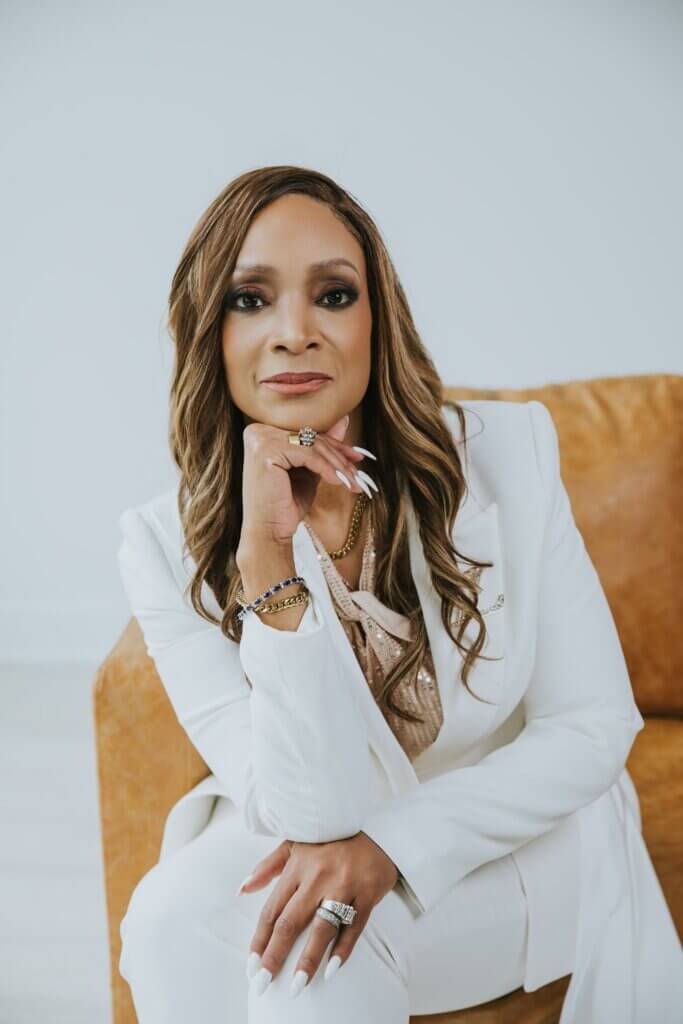
Dr. Rita Renee is a 2x TEDx Speaker, international keynote speaker, best-selling author, and executive leadership strategist known for helping leaders come off mute and lead with clarity, confidence, and conviction. With more than 35 years of professional experience, she brings a powerful blend of leadership, organizational development, faith, strategy, and lived wisdom to every stage and platform. She is the founder of Ultimate PowerHouse Coach, where she equips speakers, authors, entrepreneurs, and leaders to use their voice, own their story, and expand their impact. Her work challenges leaders to stop shrinking, lead authentically, and walk boldly in alignment with their values.





The point about being capable can start to feel like an obligation really resonates, making it easy to confuse a title with one’s true identity. Many of us find that the professional role becomes a disguise, allowing us to hide behind productivity and full calendars slope unblocked. This perspective offers such an important reminder.