
Common wisdom says you build your career, invest steadily, and retire by 65. But for many of us, that timeline doesn’t fit—and frankly, it doesn’t appeal. Welcome to the age of no retirement, where ambition doesn’t have an expiration date.
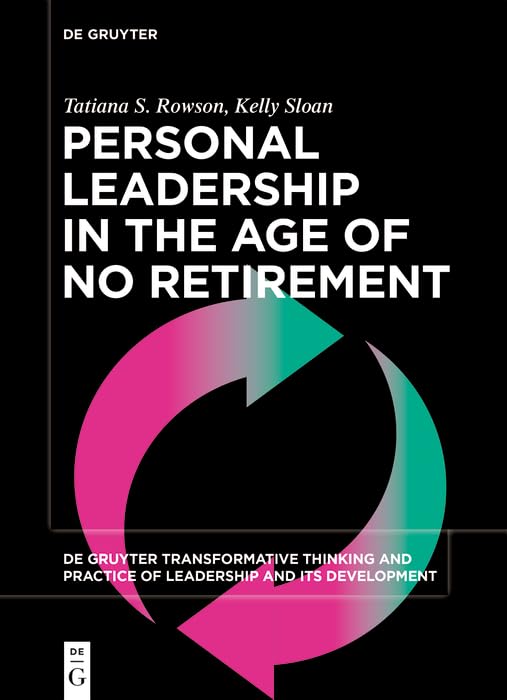
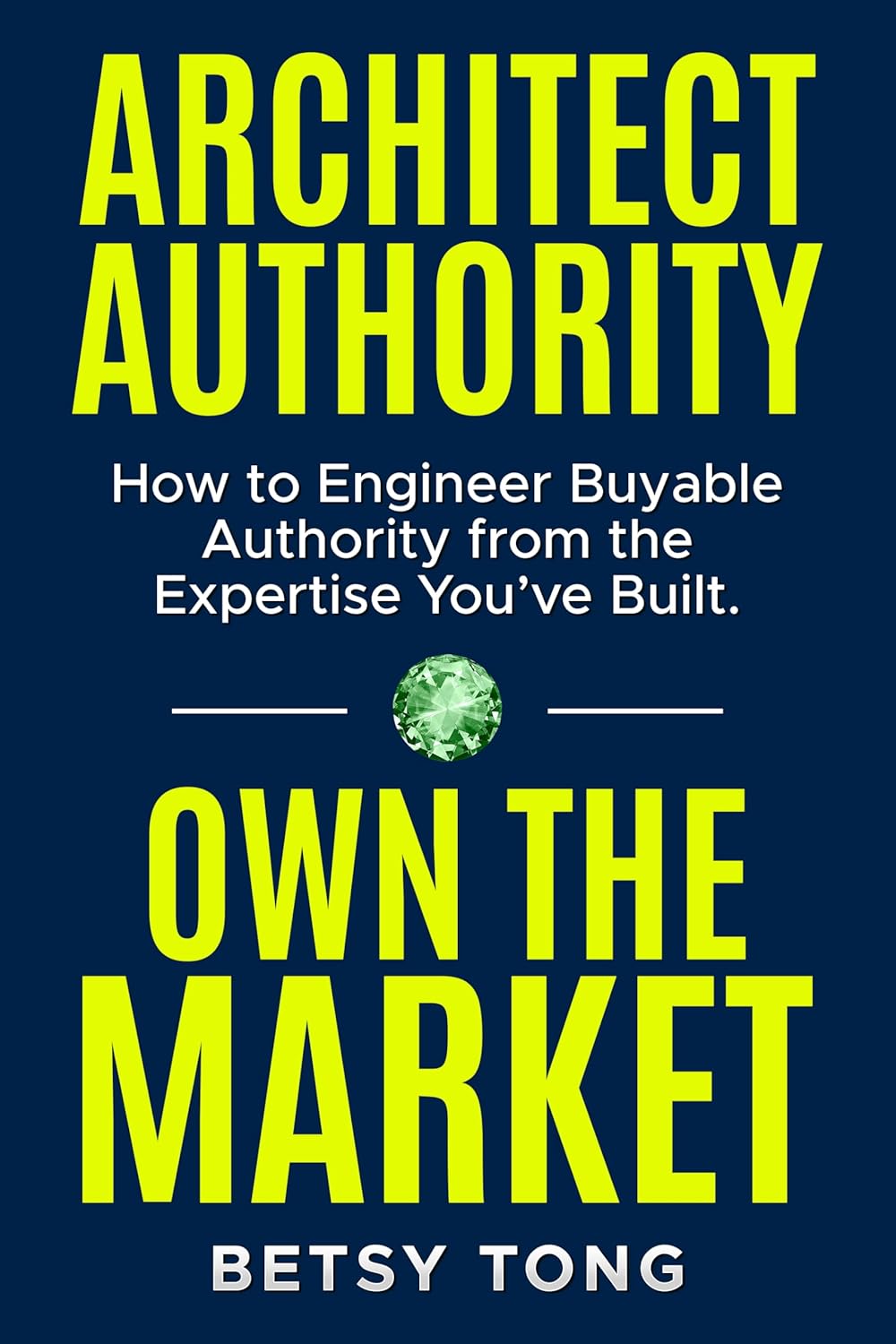
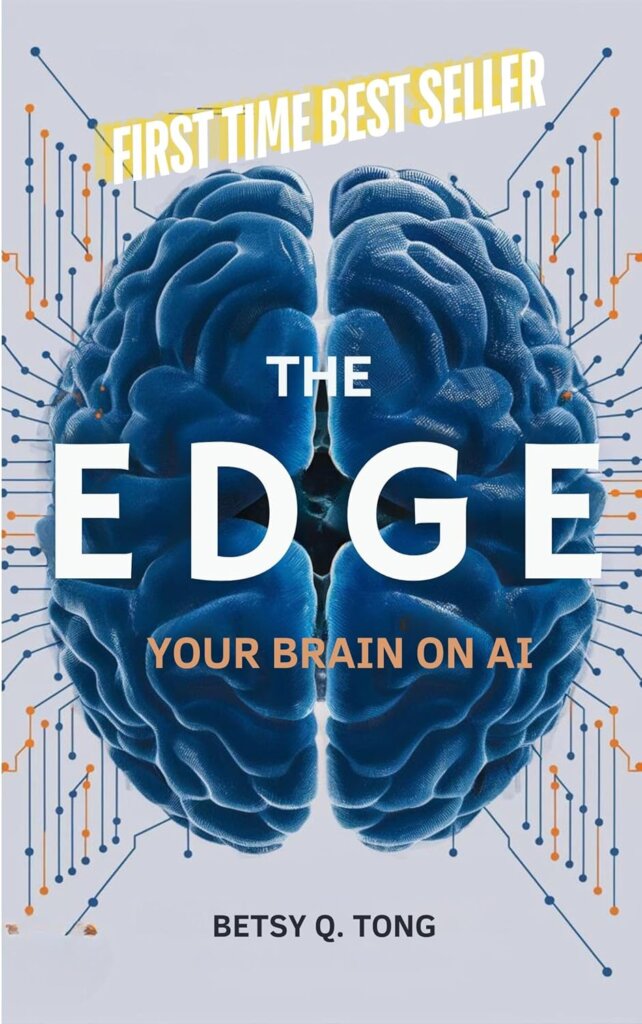
At our recent Lioness Community Event, “Career Journeys and Second Acts in the Age of No Retirement,” three authors and career reinvention experts shared their insights on the art of starting over. Dr. Tatiana Rowson and Dr. Kelly Sloan, co‑authors of Personal Leadership in the Age of No Retirement, joined Betsy Tong, author of Architect Authority. Own the Market. and The Edge: Your Brain on AI, to explore what it really takes to thrive in your next act.
Why retirement looks so different
Dr. Rowson, a social gerontologist and psychologist, has spent over 20 years studying how we age and work. She pointed out that people are not only living longer, but staying engaged and capable well into later life. Worldwide, the average life expectancy continues to creep up and up. For women in the U.S.—the majority of our readers—the CDC estimates that life expectancy at birth is 81.1 years, with many living well beyond that.
“We’re more active, we’re healthier, and we have far more life to live than previous generations,” Dr. Rowson said. “Retirement is becoming a dated concept. [With more time], we have the chance to be different, to reinvent ourselves—and to have fun with that.”
Speaking from personal experience
All of our panelists know what it means to reinvent yourself. Dr. Rowson began as a family therapist in Brazil before moving to the U.K. She moved into coaching, then research, and ultimately academia, each pivot building on the last. Dr. Sloan’s career went in loops: academic to business manager to academic, again, but in a different field. Tong considered her current work her seventh second act. After being laid off at 56 as a VP of Sales, she found herself caring for her father as he began to experience dementia. She couldn’t just stop working, so she set out into consulting—and, initially, didn’t have any takers. Today, she helps others avoid that same trap by helping them package their expertise into clear, enticing, buyable offers.
8 steps to shape your next act
1) Start with purpose
Dr. Rowson urged attendees to begin their second act by looking inward. Ask yourself what energizes you now—not what made sense 20 years ago.
“At this stage in life, we shouldn’t be doing work that gives nothing back to us,” she said.
2) Audit your resources
Before making any big moves, take stock of your health, finances, time and network. Your circumstances evolve: children grow up, caregiving needs shift, schedules open. Knowing what you have to work with helps you plan realistically.
3) Revisit expectations
Many of us carry expectations handed to us by family, partners or society. If you’ve spent decades chasing goals that weren’t truly yours, it can be hard to know what you want next. Ask yourself: Is this what I want, or what someone else wanted for me? Letting go of old expectations can clear space for new opportunities.
4) Experiment in small ways
Dr. Sloan compared reinvention to building a muscle: “It’s always hard to start, but you get better at it each time.” Test ideas through side projects, weekend work or short-term training programs. A small step turns to a giant leap, after all.
5) Don’t wait for a crisis
Explore your options while you’re still in a stable place. In this age of no retirement, you can’t afford to be blindsided by a layoff or lost business. Building a side path or portfolio career now makes any future transition far less daunting.
6) Establish your support system
Build your circle of trusted people—those who will encourage you, celebrate your wins and help you up when things don’t go as planned. A strong network makes change less overwhelming.
7) Clarify what you offer
Don’t launch your second act with a vague plan like, “I think I’ll try coaching.” Be specific about who you want to serve and why you, with your unique experience, are the right person to help them. As Tong explained, her own first attempt at consulting didn’t gain traction because she hadn’t defined her audience or her value. Shape your previous experience into a clear offer that solves a specific problem. That’s what makes people say yes.
Want more on refining your offerings? Check out our webinar on adapting effectively for nervous buyers.
8) Measure and adjust
Build in feedback loops. Tong advised, “Think about where you want to be in 90 days, then reverse‑engineer success. Out of all the things you could do in a day, focus on the few that truly move you forward. Track your outcomes so you know what’s working and when to adjust.”
Learn more from our panelists
There’s a lot more to cover on such a rich topic. Watch the full recording for more conversations on letting go of fear, redefining success on your own terms and building the confidence to try something new, no matter your age.
Be sure to check out Personal Leadership in the Age of No Retirement by Dr. Tatiana Rowson and Dr. Kelly Sloan, along with Betsy Tong’s books, Architect Authority. Own the Market. and The Edge: Your Brain on AI for more expertise on reinvention, leadership and turning your expertise into impact.
And if you’d like more insights from leading authors and experts, subscribe to De Gruyter Brill’s newsletter to stay informed as you shape your next act.






Add Comment